itaropicve.space is an independent observatory, art lab and research outpost orbiting between science and imagination. We map nebulae, host stargazers, publish cosmic field notes and turn telescope data into immersive experiences.

Itaropicve.space began as a tiny backyard observatory with a second-hand telescope. Today it is a distributed crew of astronomers, designers, photographers and storytellers united by one belief: space belongs to everyone.
We operate robotic telescopes in dark-sky reserves, convert raw FITS data into gallery-grade prints, run night-sky schools for beginners, and publish open research notes. No jargon walls. No gatekeeping. Just clear guides, honest data and a sense of wonder.


Nightly imaging runs, meteor counts, exoplanet transits and lunar mapping with open logs.
We turn complex astrophysics into visual stories, infographics and hands-on workshops.
Dome shows, city projections and print editions that bring deep space down to Earth.
Open nights, school programs and residencies — 12 000+ visitors guided last year.
Six permanent programs. Each one produces open data, learning materials and public events. Pick your orbit.
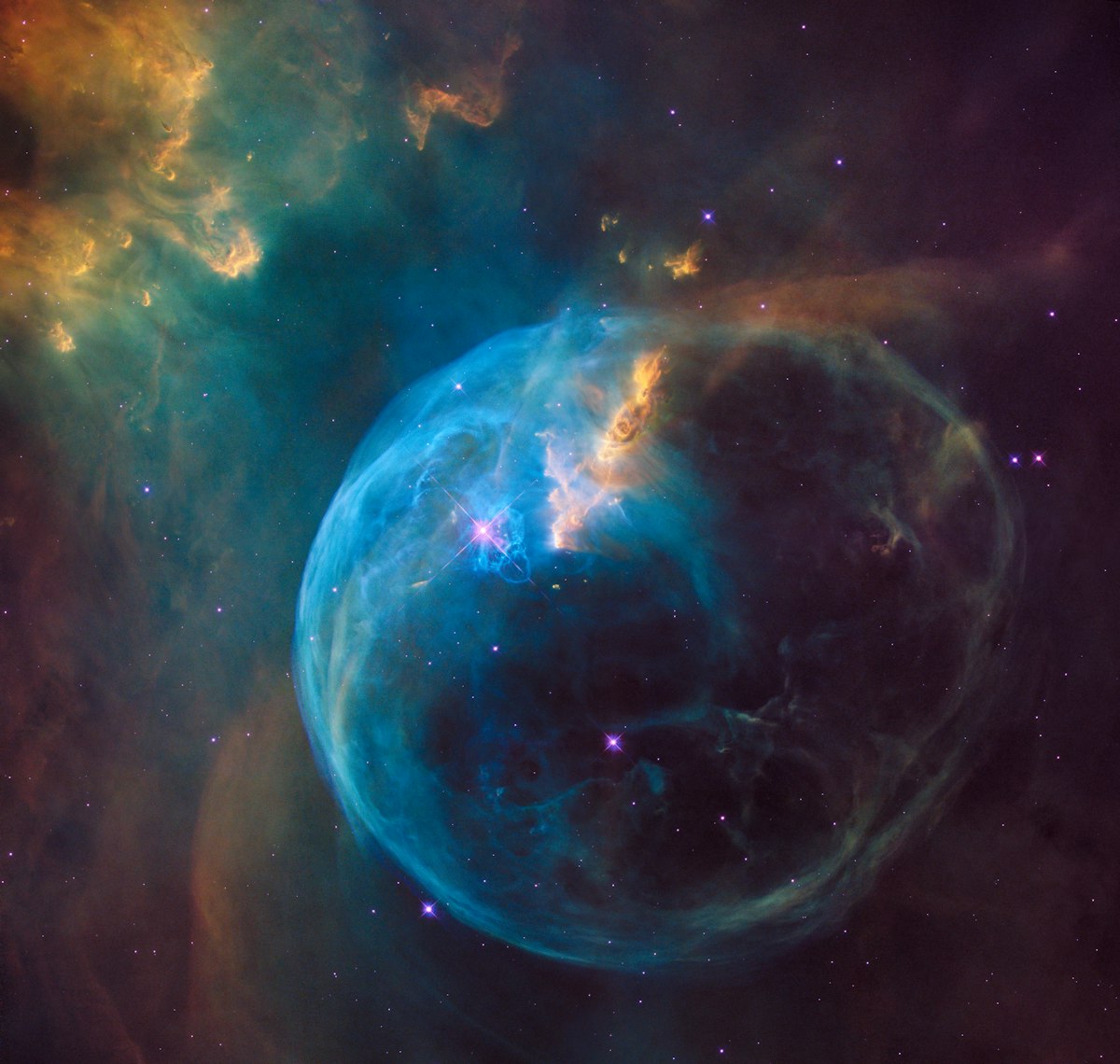
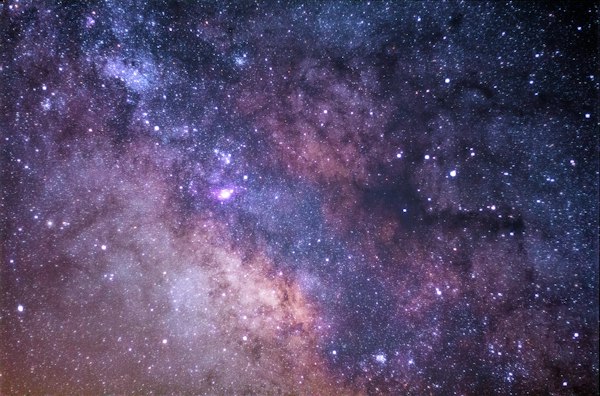
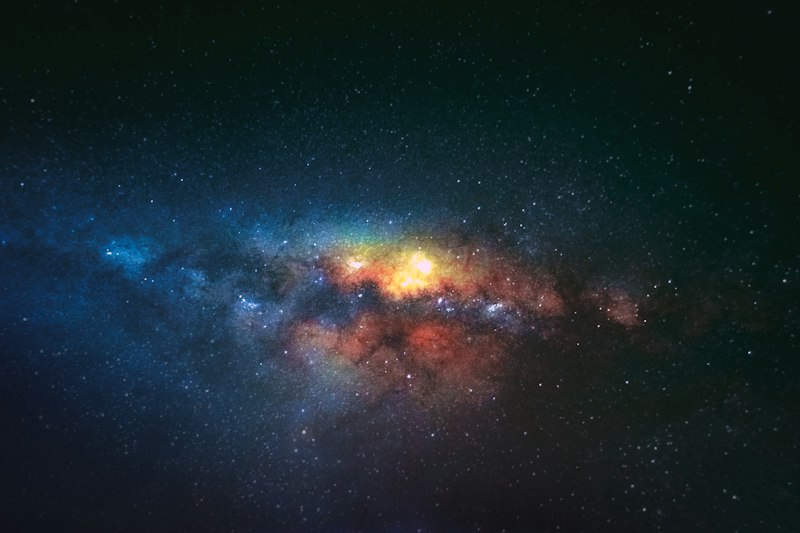
High-resolution mosaics of nebulae, clusters and galaxies. 127 objects processed with calibration frames and open PixInsight workflows.

From first telescope setup to advanced stacking: 40+ video lessons, checklists and live Q&A under real skies.

DIY antenna builds, meteor shower forecasts and solar storm alerts decoded for photographers and radio amateurs.

Artists and scientists spend 2 weeks at dark-sky cabins. Result: exhibitions, soundscapes from pulsar data, star lore books.

Monthly sky maps for naked eye, binoculars and small scopes. Constellation myths retold for modern explorers.

Posters, dome visuals and AR star layers built from real catalogs — Gaia DR3, Messier, Caldwell and beyond.
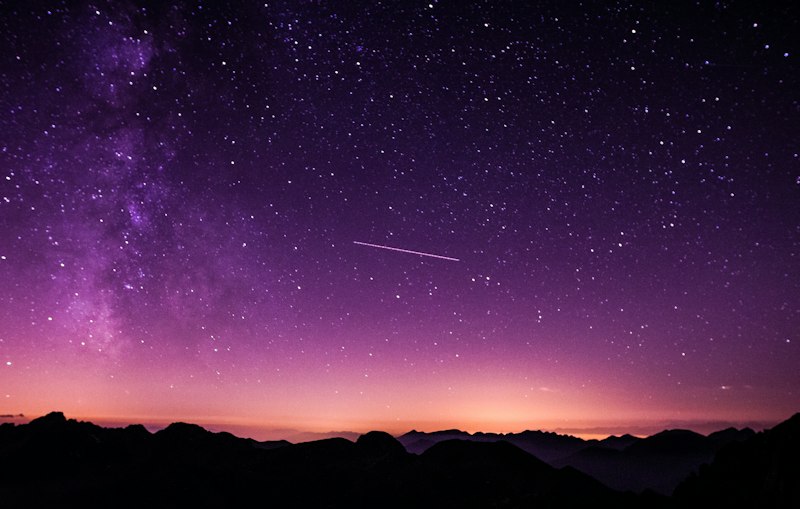
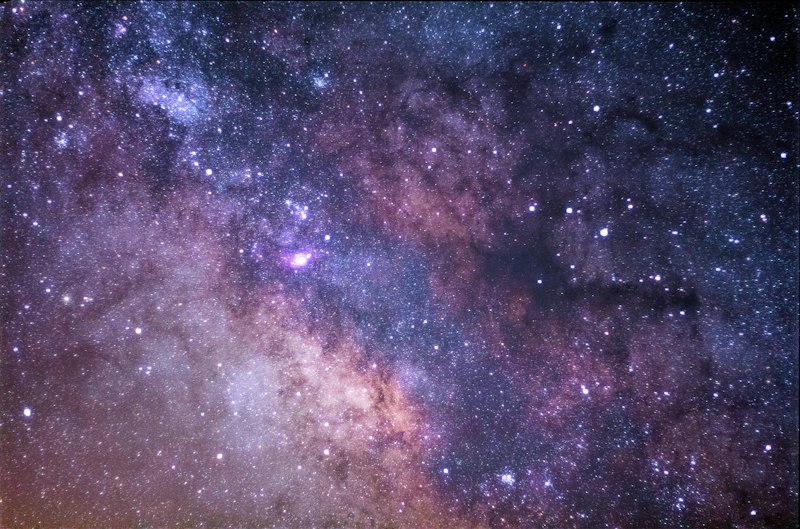
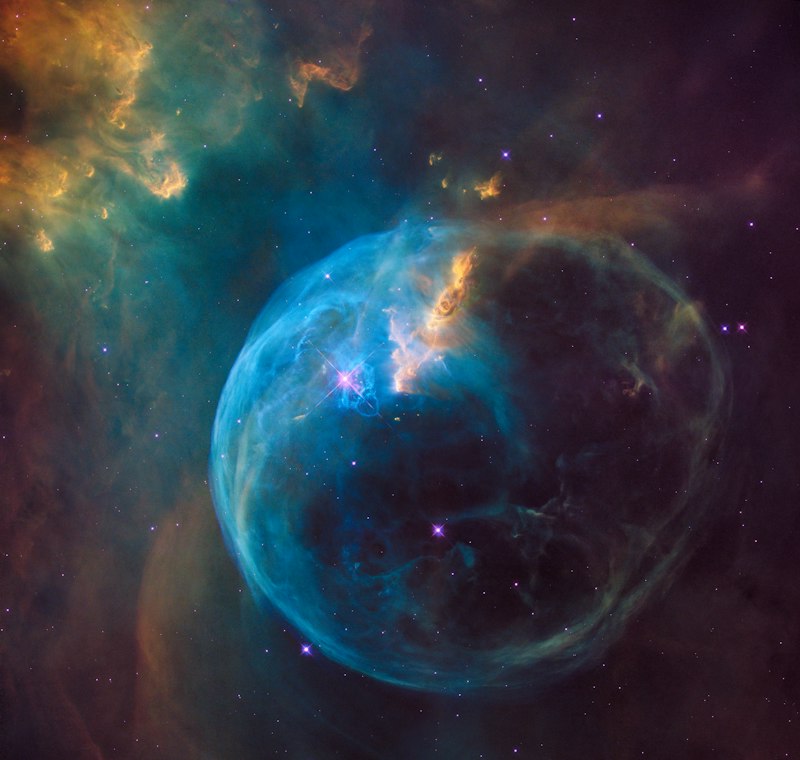
A selection from our 2024–2026 imaging campaigns. All frames stacked from 8–40 hours of exposure.


Seven years, three telescopes, one stubborn idea: make the universe legible.
A used 8" Newtonian, a DSLR and a laptop. First M31 image: blurry, noisy, unforgettable.
Crowdfunded remote cabin. 200 volunteers joined meteor counts and star parties.
Released calibrated stacks, tutorials and print files. Schools in 14 countries joined.
Robotic scopes, radio array, design lab and this hub — your port to deep space culture.

2× 130mm APO refractors · 1× 10" RC · CMOS cooled cameras · All-sky cam · 142 MHz radio dish · Bortle 2–3 sites. Uptime 94%. Data latency < 24h.
1. Check monthly sky guide in Transmissions. 2. Download maps & exposure presets. 3. Join open night or submit your image to the collective mosaic.
Start with guides →Field notes, sky forecasts, processing breakdowns and station announcements. Updated with every clear night.
Antennas are warming up. Check back after the next clear night — or explore the station.
"I found Saturn's rings with their guide on my first try. Itaropicve turned a confusing sky into a familiar neighborhood."
— Maya R., beginner observerJoined open night · 2025"Their calibrated data taught me stacking better than any course. My Orion mosaic finally looks like velvet, not noise."
— Jonas K., astrophotographerUses open archive weekly"We projected their nebula timelapses on our school dome. 200 kids gasped at once. Pure magic, real science."
— Prof. Elena V., educatorDome program partnerEverything you need to dock with the station.
Want to visit, exhibit, volunteer or just say hello from your rooftop? Send a signal — we reply within 2 Earth days.
Station time: UTC · Status: ● receiving
Base: Dark Sky Reserve · Relay: itaropicve.space